Can Tony buy my Long Beach house if it's condemned?
Yes. Tony has bought condemned NJ and NY properties for years. The condemnation transfers with the deed; Tony's team handles the rebuild or demolition paperwork after closing.
Active code citations? Condemnation order? Daily fines piling up? Tony buys Nassau County properties with open code cases and resolves the violations after closing. You walk away free of the town's hold.
Code violation letters can feel like the town is closing in on you. The fines stack up faster than you can fix anything. The contractor estimates are five figures. The deadline keeps moving. Tony has bought Long Beach houses with active code cases and condemnation orders. Tony's company resolves the violations after closing — you don't have to fix anything to sell.
If the Nassau County building department has issued a condemnation or "unsafe to occupy" notice on your Long Beach property, Tony still buys. Most cash buyers won't touch condemned properties; Tony specializes in them.
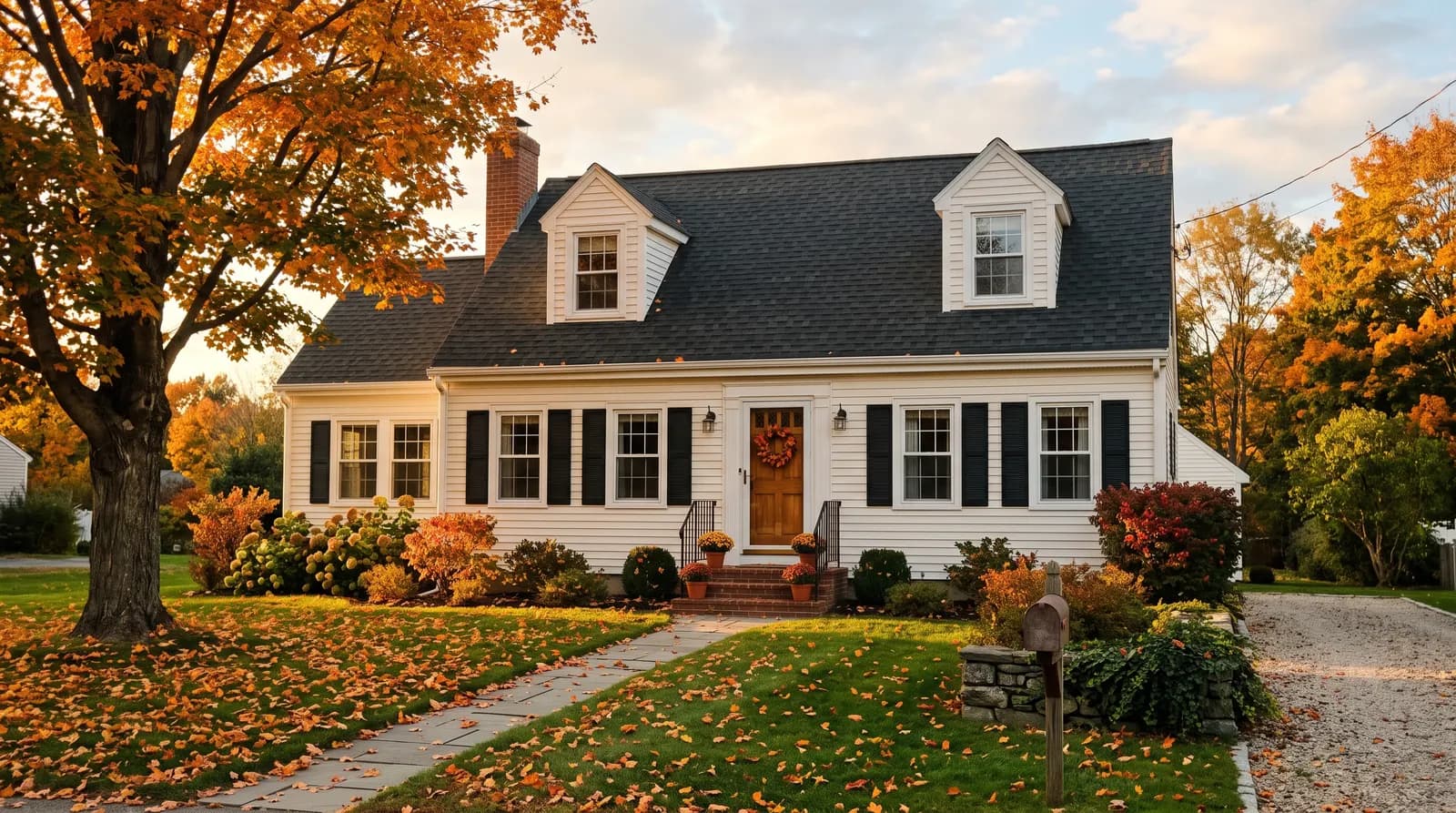
The kind of cape property Tony has bought in Long Beach.
Nassau County is inner Long Island: Hempstead, North Hempstead, Oyster Bay. Levittown ranches, Long Beach co-ops, and Great Neck/Manhasset estates all part of Tony's Nassau pipeline.
Nassau County tax rates are 2.0-2.8%; assessment grievance is common given the elevated rates.
§·· / Schedule
Tell Tony where the house is and what shape it's in. Get a cash number on the same call. Pick a closing date.
7 days a week, 8 AM to 9 PM Eastern.
Nassau County code-violation fines vary by town but commonly run $100-$500 per day after a citation period. Tony's title company pays accumulated fines at closing alongside any property tax delinquency. The town's hold on the property releases the day the deed transfers.
Long Beach is a barrier-island city: 1920s–30s bungalows and small capes on 30- and 40-foot lots in the West End, brick pre-war apartment buildings and co-ops along Broadway and the boardwalk, high-rise co-ops and condos on the ocean, and canal-front and bay-front houses in the East End. The whole island went under water in Sandy in 2012; many houses have since been raised on pilings or new foundations, and many have not. Long Beach runs its own city building department, separate from the Town of Hempstead.
Long Beach owners call Tony about the West End bungalow their parents bought in 1960 that flooded in Sandy, got a NY Rising grant, and never got raised — with insurance premiums now higher than the mortgage. Others are heirs to a boardwalk co-op with a board that takes months, or own a canal house with an elevation started and abandoned when the contractor disappeared. Some are summer-house families who simply don't want to manage a beach house from Manhattan or New Jersey any longer. Tony buys the unraised bungalow, the half-elevated canal house, and the co-op after board approval, with no elevation certificate and no flood insurance required — one number on the phone, closing on your date.
Long Beach sellers pay the 0.4% New York State transfer tax; Tony's offer is net of it. Virtually all of Long Beach is in a FEMA Special Flood Hazard Area, so a mortgage buyer must carry flood insurance and a lender wants an elevation certificate — cash removes both. City of Long Beach building records govern the C of O on raised houses and additions, and NY Rising grants sometimes leave a covenant or lien on title that Tony's title company clears at closing. Deeds record with the Nassau County Clerk in Mineola.
Every cash buyer, Tony included, starts from the same three numbers: what the house would sell for fully renovated, what it costs to get it there, and how long that takes. The offer is that finished value minus the repairs, minus the buyer's resale costs and margin. In practice that lands most cash offers somewhere around 70–85% of the renovated value, less repairs. The honest comparison is not against a renovated house's list price — it is against what you would actually net from a NY listing after commission, repairs, and months of carrying costs.
| Line item | List with an agent | Sell to Tony |
|---|---|---|
| What the house would sell for fully renovated | $400,000 | $400,000 |
| Repairs a retail buyer's lender will demand | − $45,000 | Tony's problem |
| Agent commission (5–6%) | − $20,000 to $24,000 | $0 |
| Inspection credits, seller closing costs, concessions | − $8,000 to $12,000 | $0 |
| Taxes, insurance, mortgage, utilities while you wait (3–6 months) | − $9,000 to $15,000 | $0 |
| Time to cash in hand | 4 to 7 months | 7 to 14 days |
| What you actually walk away with | ≈ $305,000 to $318,000 | Tony's number, in full, on your date |
Whether Tony's number beats that listing net depends on the house. On a move-in-ready home in a hot NYmarket it usually will not, and Tony will tell you to list. On a house that needs work, has tenants, sits in an estate, or carries violations — the houses retail buyers cannot finance — it is often close, and the seven-day timeline is the difference. Call 1-908-768-4759, get the number, and compare it yourself.
Buying since 2018· every county in New Jersey and New York · no commissions or fees · every closing at a licensed NY title company.
Contact
Drop your number and Tony reaches out about your Long Beach property within an hour.
Yes. Tony has bought condemned NJ and NY properties for years. The condemnation transfers with the deed; Tony's team handles the rebuild or demolition paperwork after closing.
Paid at closing from the proceeds. Once Tony owns the property, the fines stop accruing against you.
Yes. The citations are between the town and the property; selling to Tony doesn't require the town's approval. Tony accepts violations in writing as part of the purchase contract.
Tony's offer prices condition into the cash number. The more wrong with the property, the lower the offer — but the deal still happens.
In most cases, yes. Once the property is sold, the seller is no longer a party to the code case. The case continues against the new owner (Tony) and Tony resolves it.
Yes. Unraised, partly raised, and patched-but-never-finished Sandy houses are what Tony buys most in Long Beach. He doesn't need an elevation certificate, flood insurance, or a completed repair. Tell him what was done, whether NY Rising was involved, and what's still open with the city building department, and he gives you a number.
Yes — all of ZIP 11561: bungalows and capes in the West End, canal-front houses in the East End, pre-war and high-rise co-ops and condos along the boardwalk and Broadway, and everything in between. Co-ops need board approval, which adds a few weeks. One call with the address gets you a number.
Yes. NY Rising and SBA disaster assistance often left a lien or a covenant requiring the house to be raised or kept insured, and any payoff or release is handled through the title company at closing. Tony's offer accounts for it. It adds paperwork, not a reason he won't buy.
Yes, with a signed power of attorney or letters from Nassau Surrogate's Court if she has passed. Tony submits the board package himself and pays cash. Some Long Beach co-ops restrict investor buyers — he reads the proprietary lease and house rules and tells you on the phone whether he can be the buyer in that building.
Condemned house in Nassau County? 1-908-768-4759. Tony buys what others won't touch.
§·· / Schedule
Tell Tony where the house is and what shape it's in. Get a cash number on the same call. Pick a closing date.
7 days a week, 8 AM to 9 PM Eastern.
Different situation? Tony also handles these Long Beach cases:
← All cash buyer options for Long Beach·Nassau County·New York