How are back property taxes paid when I sell to Tony?
The title company pays them at closing out of the sale proceeds. You don't bring a check. The county gets paid, the lien is released, and the Manhattan property transfers free and clear.
Owe back property taxes in New York County? Tony's title company pays them off at closing — out of the cash proceeds. You don't bring a check. The New York tax-foreclosure clock stops the day Tony closes.
Falling behind on property taxes happens to good people during hard years. Medical bills. Job loss. A spouse passing. Then the letters from the county pile up and the next tax bill comes before the last one is paid. You're not stuck. Tony has bought hundreds of Manhattan-area properties with back taxes, and most sellers walk away with cash on top of the payoff.
If you're getting tax-delinquency notices on your Manhattan, New York County house, the safest move is to sell before the lien sale. Tony pays off back taxes, water/sewer arrears, and any municipal liens at closing — out of the proceeds. You don't have to come up with cash to clear them.
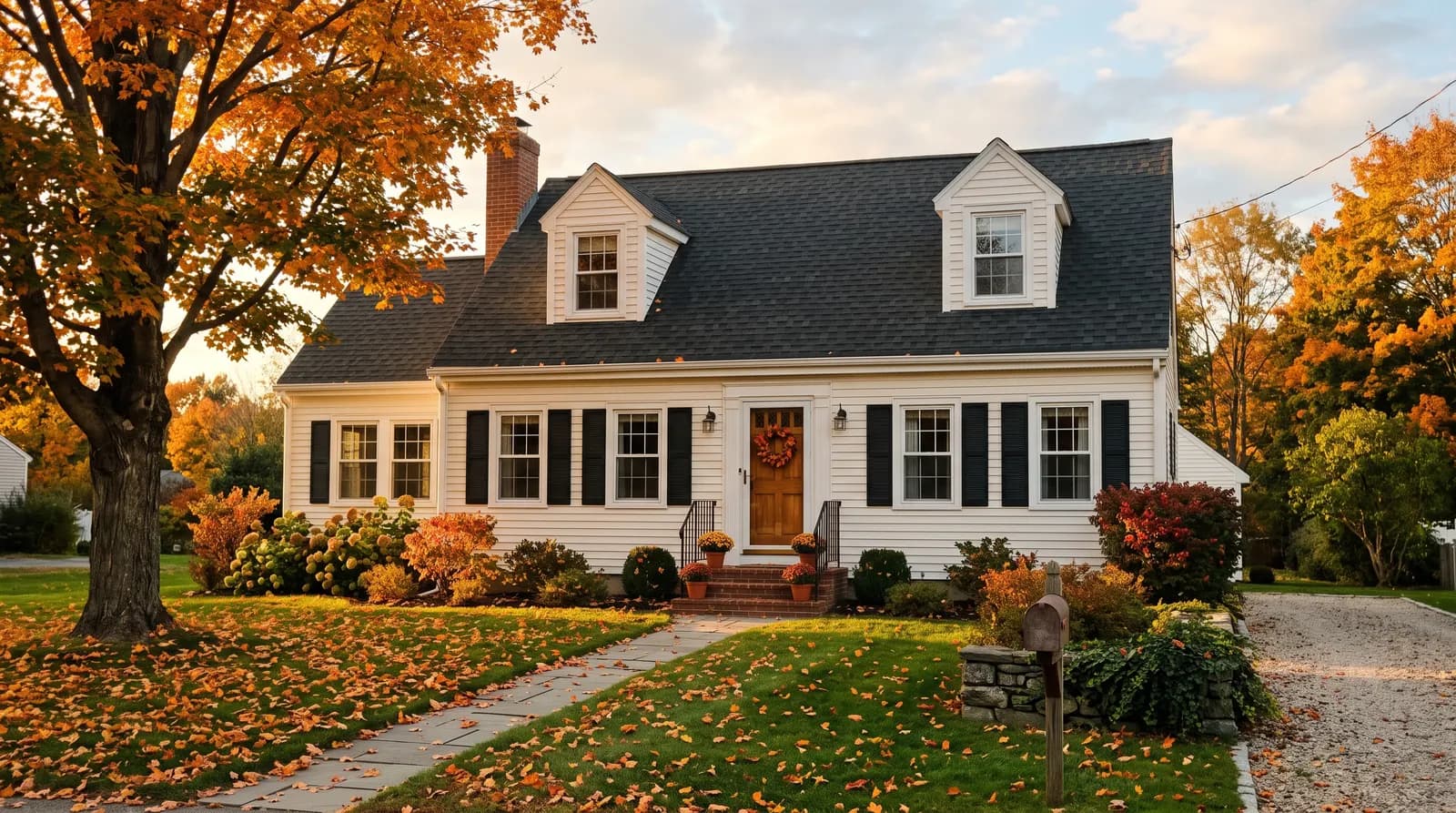
The kind of cape property Tony has bought in Manhattan.
New York County (Manhattan) is co-op and condo dominant. Tony buys uptown brownstones (Harlem, Washington Heights, Inwood) and inherited co-op/condo apartments throughout the borough.
Manhattan co-op maintenance and condo common charges are part of monthly carrying costs; tax abatements (J-51, 421-a) on certain buildings affect calculations.
§·· / Schedule
Tell Tony where the house is and what shape it's in. Get a cash number on the same call. Pick a closing date.
7 days a week, 8 AM to 9 PM Eastern.
Here's how Tony resolves New York County back-tax situations. The title company pulls the tax-payoff statement from the New York County county. At closing, Tony's wire goes to the title company, and the title company sends the back-taxes amount directly to the county/town. Anything above the back taxes (and any mortgage payoff if there is one) goes to you.
Manhattan brownstones and multi-families in Harlem, Washington Heights, and Inwood are where Tony does most uptown deals. Co-ops and condos: Tony buys those too. Central Harlem and Hamilton Heights are 1880s–1910s brownstones and limestones, many still configured as SROs or three- and four-families; Washington Heights and Inwood are six-story pre-war elevator buildings, nearly all rent-stabilized; East Harlem and the Lower East Side mix tenements, NYCHA, and HDFC co-ops with income limits.
Uptown sellers who call Tony are heirs to a Harlem brownstone the family bought in the 1950s that still carries an SRO certificate of occupancy, a rent-stabilized tenant on the garden floor, and a stack of HPD violations. Some own a small walk-up in Washington Heights where the 2019 rent law ended any hope of raising rents. Others inherited a co-op or condo they don't want and can't get past a board with. Deed theft has hit Harlem hard — Tony closes only through a title company with your attorney at the table. He buys the brownstone occupied, buys the walk-up on its real rent roll, and gives one number on the phone.
Manhattan sellers pay the NYC RPTT (1% up to $500,000, 1.425% above) and the 0.4% NYS transfer tax, which Tony nets from his offer; on sales of $1 million or more the buyer pays the NYC mansion tax on a sliding scale, and that's Tony's cost. SRO buildings need a Certificate of No Harassment before DOB will permit conversion, which affects Tony's plans, not your closing. HDFC co-ops carry income caps and flip taxes that limit who can buy. Estates run through New York County Surrogate's Court on Chambers Street.
Every cash buyer, Tony included, starts from the same three numbers: what the house would sell for fully renovated, what it costs to get it there, and how long that takes. The offer is that finished value minus the repairs, minus the buyer's resale costs and margin. In practice that lands most cash offers somewhere around 70–85% of the renovated value, less repairs. The honest comparison is not against a renovated house's list price — it is against what you would actually net from a NY listing after commission, repairs, and months of carrying costs.
| Line item | List with an agent | Sell to Tony |
|---|---|---|
| What the house would sell for fully renovated | $400,000 | $400,000 |
| Repairs a retail buyer's lender will demand | − $45,000 | Tony's problem |
| Agent commission (5–6%) | − $20,000 to $24,000 | $0 |
| Inspection credits, seller closing costs, concessions | − $8,000 to $12,000 | $0 |
| Taxes, insurance, mortgage, utilities while you wait (3–6 months) | − $9,000 to $15,000 | $0 |
| Time to cash in hand | 4 to 7 months | 7 to 14 days |
| What you actually walk away with | ≈ $305,000 to $318,000 | Tony's number, in full, on your date |
Whether Tony's number beats that listing net depends on the house. On a move-in-ready home in a hot NYmarket it usually will not, and Tony will tell you to list. On a house that needs work, has tenants, sits in an estate, or carries violations — the houses retail buyers cannot finance — it is often close, and the seven-day timeline is the difference. Call 1-908-768-4759, get the number, and compare it yourself.
Buying since 2018· every county in New Jersey and New York · no commissions or fees · every closing at a licensed NY title company.
Contact
Drop your number and Tony reaches out about your Manhattan property within an hour.
The title company pays them at closing out of the sale proceeds. You don't bring a check. The county gets paid, the lien is released, and the Manhattan property transfers free and clear.
Same path. Tony's title company pays municipal water/sewer liens at closing alongside the back taxes. All in one transaction.
In most cases, yes. As long as the lien sale isn't in the next 5-7 days, Tony's standard close fits inside the window.
Depends on equity. Tony's offer pays mortgage, then back taxes, then liens. Anything left is yours. On most NJ/NY properties with even 10% equity, sellers walk away with thousands.
Tony has bought properties mid-proceeding. Until the lien actually sells at auction, the seller can still sell the house. Move fast.
All of Manhattan, though most of his uptown work is brownstones and walk-ups in Central Harlem, Hamilton Heights, Sugar Hill, Washington Heights, and Inwood, plus East Harlem and the Lower East Side. Below 96th Street it's mainly co-ops and condos, and he buys those too. One call with the address gets you a number.
Yes. SRO brownstones with long-term occupants, a Certificate of No Harassment requirement, and open HPD violations are exactly the buildings banks won't finance — which is why they go to cash buyers. Tony buys with the tenants in place and takes on the CONH process himself after closing. Your offer doesn't change because of it.
Often not as the buyer himself. HDFC co-ops have income limits, primary-residence rules, and flip taxes that usually keep investors out, and each building's rules differ. Tony will read your building's requirements and tell you straight on the phone. For market-rate co-ops, condos, and houses uptown, he's the buyer.
Yes. Tony buys rent-stabilized buildings on their actual DHCR-registered rent roll, with every tenant staying and every violation transferring at closing. No vacancies, buyouts, or repairs required. Bring the rent registration and the current rents, and he'll give you one number.
New York County tax delinquency? 1-908-768-4759. Tony pays the county at closing.
§·· / Schedule
Tell Tony where the house is and what shape it's in. Get a cash number on the same call. Pick a closing date.
7 days a week, 8 AM to 9 PM Eastern.
Different situation? Tony also handles these Manhattan cases:
← All cash buyer options for Manhattan·New York County·New York